


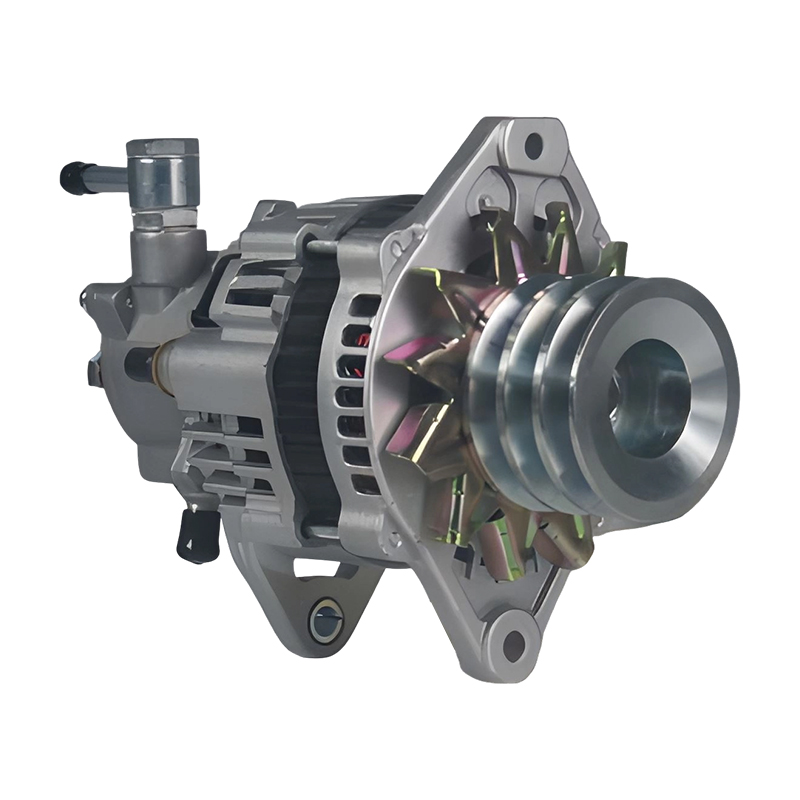
Ang 24V 55A 12135/0120469978 Bosch car alternator para sa IVECO EuroCargo EuroTrakker 100E15 90E37 ay isang mapagkakatiwalaang power solution na partikular na ininhinyero para sa IVECO EuroCargo Eu...
See Details

Kumuha ng Quote
What Makes Hitachi and Isuzu Car Alternators the Right Choice for Your Vehicle's Charging System?
Jun 16, 2026
Understanding the Role of Alternators in Isuzu Vehicles
The alternator is one of the most critical components in any vehicle's electrical system, and in Isuzu trucks, vans, and commercial vehicles, it carries an especially heavy workload. Unlike passenger cars, Isuzu vehicles are frequently used in demanding commercial and industrial applications — long-haul transport, construction site support, agricultural operations, and urban delivery fleets — where the electrical system must power not only standard loads like lighting, ignition, and instrumentation, but also auxiliary equipment such as refrigeration units, hydraulic controls, and communication systems. A failing alternator in these contexts does not just create an inconvenience; it can bring an entire operation to a halt.
Hitachi has long been a preferred OEM and aftermarket alternator supplier for Isuzu vehicles. The partnership between Hitachi's electrical engineering expertise and Isuzu's drivetrain requirements dates back decades, with Hitachi alternators specified as original equipment across a wide range of Isuzu engine families — including the 4JB1, 4HK1, 6HK1, 4JJ1, and 6WF1 series that power everything from the Isuzu D-Max and N-Series trucks to heavy-duty forward-control buses and mining vehicles. Understanding how these alternators are designed, what they're compatible with, and how to identify the right replacement is essential knowledge for fleet managers, mechanics, and vehicle owners alike.
Hitachi Alternator Design Philosophy for Heavy-Duty Applications
Hitachi alternators are engineered with a focus on durability and output consistency under sustained load. In contrast to budget aftermarket units that may meet minimum specification requirements on the bench but degrade rapidly in real-world operating conditions, Hitachi alternators are designed to deliver rated output across a wide range of operating temperatures and rotational speeds. This is particularly important for Isuzu diesel engines, which often run at lower RPM ranges than petrol engines, requiring the alternator to maintain adequate charging output even at idle or low-speed urban driving conditions.
The internal construction of Hitachi alternators features precision-wound stator coils, high-quality rectifier diodes rated for sustained thermal load, and robust bearing assemblies designed for extended service intervals. The voltage regulator — whether integrated into the alternator body or mounted externally depending on the application — is calibrated to maintain system voltage within a tight band, typically 13.8V to 14.4V under load, ensuring battery health and protecting sensitive electronics from voltage spikes or drops. The housings are cast from high-grade aluminum alloy for effective heat dissipation and corrosion resistance, critical for vehicles operating in wet, dusty, or saline environments.
Key Hitachi Alternator Models Used in Isuzu Vehicles
Hitachi produces a broad range of alternator models to cover the diversity of Isuzu's engine and vehicle lineup. Output ratings span from 60A units on lighter applications to 150A and beyond on heavy-duty trucks and buses. The following table outlines some of the most commonly encountered Hitachi alternator specifications across Isuzu vehicle platforms:
| Hitachi Part Reference | Isuzu Engine | Typical Application | Output Rating |
| LR150-714 | 4JB1 / 4JB1T | Isuzu TF / Trooper / Rodeo | 50A / 12V |
| LR190-722 | 4HK1 / 6HK1 | Isuzu N/F-Series Trucks | 90A / 24V |
| LR250-510 | 6WF1 / 6WG1 | Isuzu Giga Heavy Trucks | 150A / 24V |
| LR140-714 | 4JJ1 / 4JJ1-TC | Isuzu D-Max / MU-X | 80A / 12V |
| LR180-03 | 4HG1 / 4HE1 | Isuzu Elf / N-Series Van | 80A / 12V |
It is important to note that part number cross-referencing should always be verified against the OEM number stamped on the original alternator before purchasing a replacement, as variations in mounting configuration, pulley size, and regulator type can exist even within the same engine family depending on production year and market specification.
How to Identify a Failing Hitachi Alternator on an Isuzu Vehicle
Early identification of alternator failure prevents the secondary damage that occurs when a vehicle continues to operate on battery power alone after the alternator stops charging. Isuzu vehicles with Hitachi alternators typically display a recognizable set of warning signs as the charging system begins to deteriorate. Recognizing these symptoms early can be the difference between a planned workshop replacement and an unexpected roadside breakdown.
Common Symptoms of Alternator Failure
- Battery warning light illuminating on the dashboard, often accompanied by a voltmeter reading below 13V with the engine running
- Dimming headlights or flickering interior lighting, particularly noticeable at idle when electrical demand is highest relative to alternator output
- A high-pitched whining or grinding noise from the alternator area, indicating worn bearings or a failing rotor
- Repeated battery failures or a battery that discharges overnight despite being relatively new — a sign the alternator is not replenishing charge during operation
- Electrical accessories such as air conditioning, power windows, or dashboard systems behaving erratically or resetting unexpectedly
- A burning smell from the engine bay, which can indicate overheating diodes or insulation breakdown within the alternator's stator windings
Diagnostic Steps Before Replacing
Before condemning the alternator outright, a systematic diagnostic approach avoids unnecessary replacement costs. Use a quality multimeter to measure battery terminal voltage with the engine off (should read 12.4V to 12.7V for a fully charged 12V system, or approximately double for 24V systems) and then with the engine running at 1,500–2,000 RPM (should read 13.8V to 14.4V for 12V systems). A reading below 13.5V with the engine running strongly suggests inadequate alternator output. Additionally, check the drive belt condition and tension, inspect wiring connections at the alternator B+ terminal and sense wire, and verify that the battery itself is not faulty before proceeding to alternator replacement.
Choosing the Right Replacement: OEM Hitachi vs. Quality Aftermarket
When a Hitachi alternator on an Isuzu vehicle reaches the end of its service life, operators face a choice between genuine OEM Hitachi replacements, Hitachi-branded remanufactured units, and third-party aftermarket alternatives. Each option involves trade-offs in cost, availability, warranty coverage, and long-term reliability that should be evaluated in the context of the vehicle's age, application, and operating environment.
- Genuine OEM Hitachi alternators provide exact-match specifications, full OEM warranty coverage, and the highest confidence in long-term reliability. They are the preferred choice for newer vehicles still under manufacturer warranty or for fleet operators with strict uptime requirements.
- Hitachi remanufactured alternators are factory-rebuilt to OEM specifications using a mix of new and reconditioned components. They typically carry a shorter warranty than new units but offer significant cost savings — often 30% to 50% less than new OEM — while maintaining acceptable reliability for most commercial applications.
- Quality aftermarket alternatives from established suppliers can be cost-effective for older vehicles where OEM parts are discontinued or prohibitively expensive. When selecting aftermarket units, prioritize suppliers who provide complete technical specifications including output curve data, regulator type, and mounting dimensions verified against the original Hitachi part number.
- Avoid unbranded low-cost imports that claim compatibility but lack verifiable specifications. These units frequently use substandard diode bridges and bearing assemblies that fail within months under commercial operating conditions, negating any initial cost savings.
Installation Considerations and Best Practices
Correct installation of a replacement Hitachi alternator is as important as selecting the right unit. Even a genuine OEM alternator will fail prematurely if installed with incorrect belt tension, improper wiring connections, or without addressing the underlying cause of the original unit's failure. For Isuzu commercial vehicles, where the alternator is often mounted in a position with limited access, taking the time to perform installation correctly saves significant labor costs down the line.
- Always disconnect the battery negative terminal before beginning alternator removal to prevent accidental short circuits through the B+ terminal wiring.
- Inspect the drive belt for cracking, glazing, or wear before reinstalling — a worn belt on a new alternator will cause premature bearing failure through vibration and slippage.
- Set belt tension to the manufacturer's specification using a belt tension gauge; both over-tensioning and under-tensioning are harmful to alternator bearing life.
- Clean and inspect all wiring terminals, particularly the B+ output cable and the sense wire connector, replacing any corroded or heat-damaged terminals before connection.
- After installation, verify charging system output with a multimeter and load test the system under full electrical load to confirm the alternator is performing within specification across the operating RPM range.
- If the original alternator failed due to overloading from auxiliary electrical equipment, assess whether the replacement unit's rated output is adequate for the total system load, and consider upgrading to a higher-output Hitachi model if necessary.
Extending Alternator Service Life on Isuzu Commercial Vehicles
Proactive maintenance significantly extends the operational life of Hitachi alternators in Isuzu vehicles, particularly in fleet environments where maximizing the interval between replacements directly reduces total cost of ownership. The most effective maintenance practices focus on managing the two primary alternator failure mechanisms: bearing wear from mechanical load and diode failure from thermal and electrical stress.
Bearing life is directly affected by drive belt condition and tension. Inspect belts at every service interval and replace them according to the manufacturer's schedule — on most Isuzu diesel engines, this is every 40,000 to 60,000 kilometers or annually, whichever comes first. In dusty environments, check belt condition more frequently as abrasive contamination accelerates belt and bearing wear simultaneously. Ensure the alternator mounting bracket bolts are torqued correctly, as loose mounting introduces vibration that compounds bearing stress.
Diode and regulator life is primarily affected by operating temperature and voltage spikes. Ensure the alternator's cooling airflow is not obstructed — many Isuzu engine bay configurations direct airflow through ducting that can become blocked by debris. Avoid jump-starting other vehicles through a running Isuzu's electrical system, as the voltage transients generated can damage the alternator's rectifier bridge. Using the correct battery specification for the vehicle ensures the battery acts as an effective voltage buffer in the charging circuit, protecting the alternator from load spikes when large electrical consumers switch on and off during operation.
Mga kaugnay na produkto
-
-
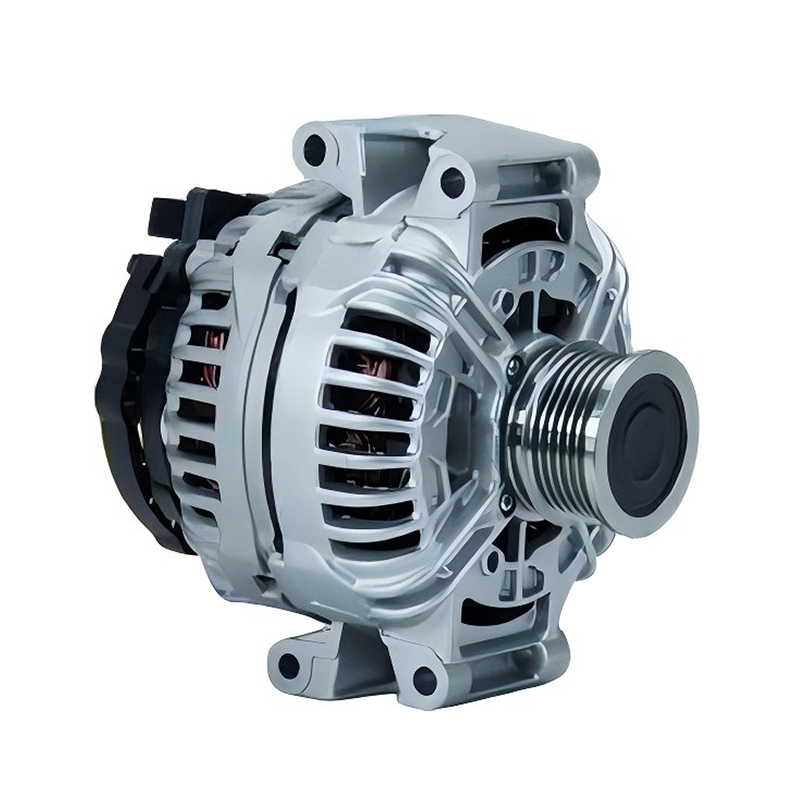
Idinisenyo upang matugunan ang hinihingi na mga pangangailangang elektrikal ng mga modernong sasakyan, ang 12V 150A 11064/0124615009 Bosch car alternator para sa AUDI A4 1.6L, 1.8L, 2.0L ay isang p...
See Details -
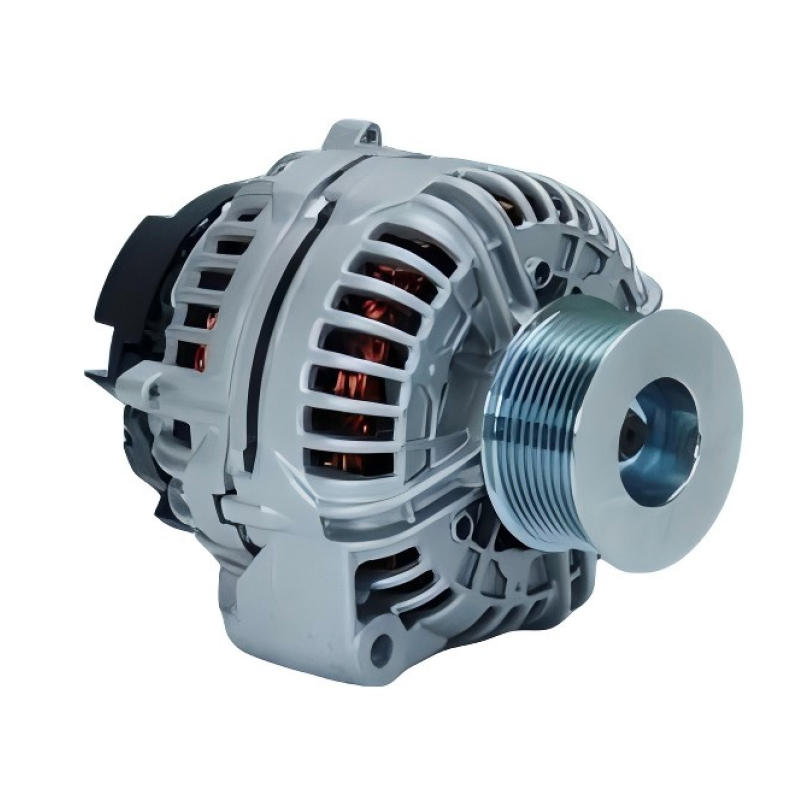
Pagdating sa pagpapanatiling maayos ng iyong JOHN DEERE 2007-2009 na modelo, ang isang maaasahang alternator ay hindi mapag-usapan—at ang 12V 200A 12796/0124625030 Bosch na alternator ng kotse para...
See Details -
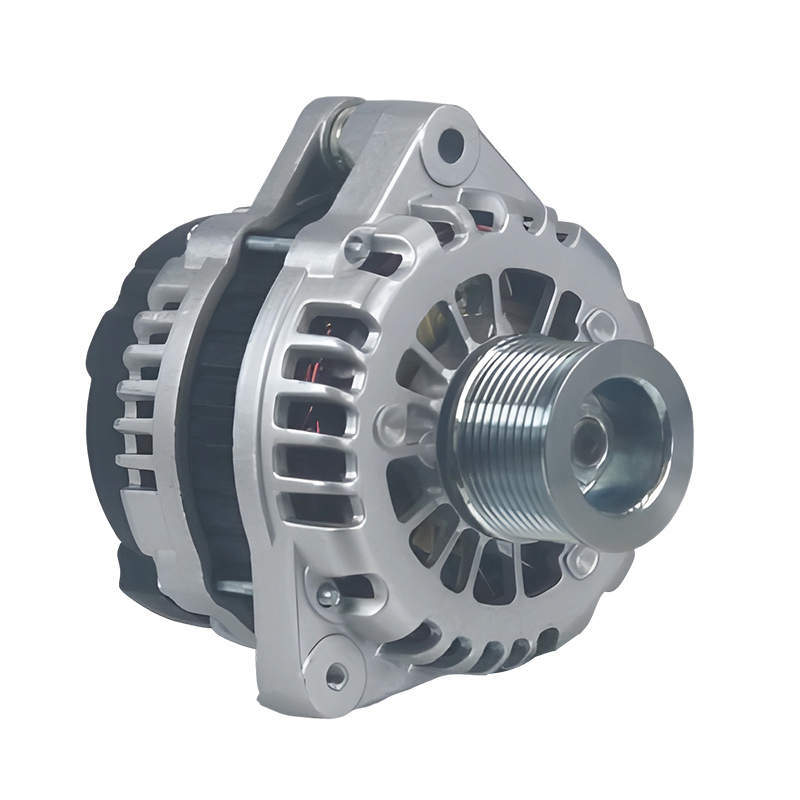
Isang maaasahang solusyon sa kuryente para sa mga komersyal at pampasaherong sasakyan, ang 24V 90A 20289N/0123520500 Bosch car alternator para sa Hongyan, Genlyon, Saic, lveco, Howo, Weicha ay inen...
See Details -
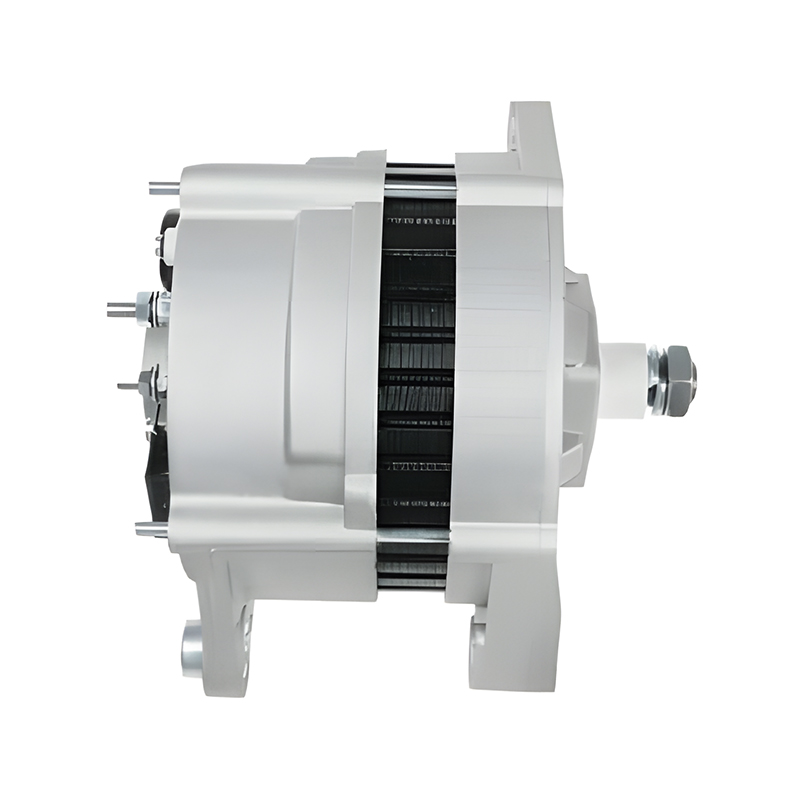
Dinisenyo bilang isang maaasahang solusyon sa kuryente para sa IVECO 100 E15 engine series, pinagsasama ng 24V 80A 12709/0120468116 Bosch car alternator para sa IVECO 100 E15 ang precision engineer...
See Details -
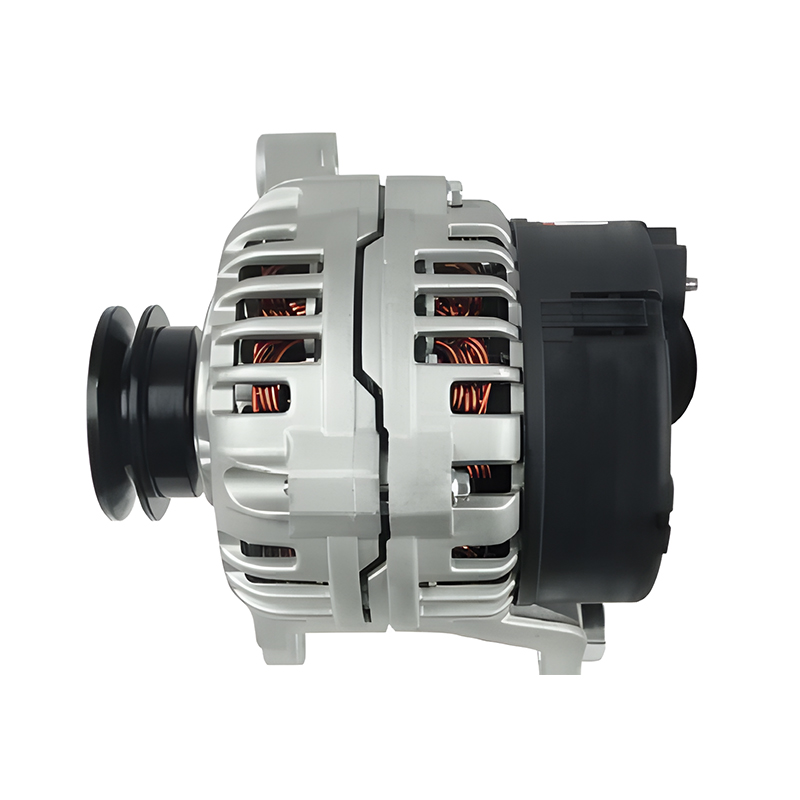
Ang 12V 90A 0123315503/112406 Bosch car alternator para sa IV ECO DAIY ay isang de-kalidad na kapalit na bahagi na partikular na idinisenyo para sa IV ECO DAIY engine series, na nag-aalok ng maaasa...
See Details

Impormasyon ng Kontak
-
Pabrika ng Produksyon:No.19, West Taihu Avenue, Wujin District, Changzhou City, Jiangsu Province, China
-
Email:
-
Telepono:+86 157 2060 1523
-
TEL:+86-519 8639 0626
Karapatang-ari © 2025 Changzhou Hancheng Auto Parts Co., Ltd. Lahat ng karapatan ay nakalaan.
PribasidadMga Tagagawa ng Alternator ng Sasakyan Pabrika ng Mataas na Lakas na Alternator ng Sasakyan
